2026 Guide to Sustainable Fabric Choices: Reduce Fashion Footprint
Advertisements
Sustainable Fabric Choices highlights materials and production methods that can help reduce environmental impact across the fashion and textile industry.
The guide focuses on practical choices such as recycled fibres, lower-impact materials, improved sourcing, and more efficient manufacturing rather than relying on sustainability claims alone.
For consumers and manufacturers, adopting better fabric choices can support a more responsible apparel sector, although any specific 30% footprint reduction depends on materials, production methods, and overall consumption patterns.
Advertisements
The Imperative for Sustainable Fabric Choices in 2026
The fashion industry’s environmental footprint is substantial, contributing significantly to pollution, waste, and resource depletion. In 2026, the urgency to adopt sustainable fabric choices has never been greater, driven by consumer demand and regulatory pressures.
This shift is not merely a trend but a fundamental change in how garments are conceived, produced, and disposed of. Brands that fail to integrate sustainable fabric choices risk losing market share and facing reputational damage in an increasingly conscious marketplace.
Sustainable Fabric Choices emphasizes that genuine sustainability extends beyond material selection to encompass the entire supply chain. It advocates for holistic approaches that consider water usage, energy consumption, and labor practices.
Understanding the Environmental Impact of Traditional Fabrics
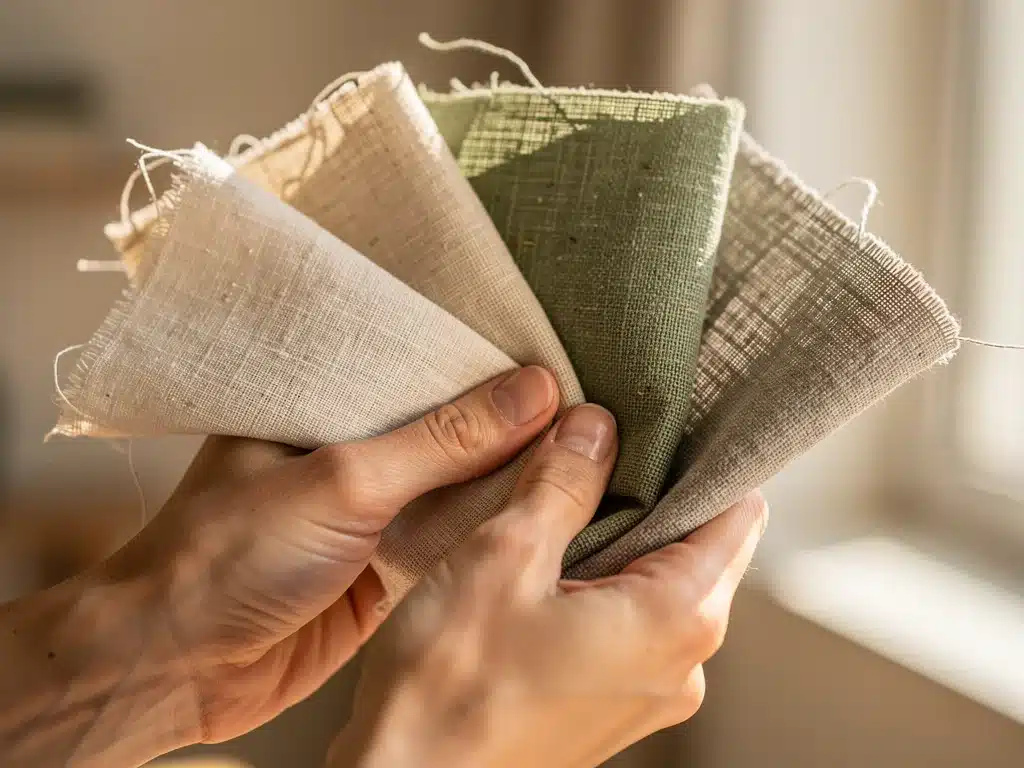
Conventional fabrics like virgin polyester and conventional cotton carry significant environmental burdens. Polyester production relies heavily on fossil fuels, while traditional cotton farming is notorious for its intensive water use and pesticide application.
These impacts contribute to climate change, water scarcity, and ecosystem degradation. Recognizing these issues is the first step towards making informed, sustainable fabric choices that mitigate harm.
The guide meticulously breaks down the lifecycle impacts of various materials, providing a clear rationale for prioritizing eco-friendly alternatives. This foundational knowledge empowers stakeholders to make impactful decisions.
- Water Consumption: Conventional cotton requires thousands of liters of water per kilogram.
- Chemical Pollution: Dyes and finishes often release toxic chemicals into waterways.
- Greenhouse Gas Emissions: Synthetic fiber production is energy-intensive and fossil-fuel dependent.
- Waste Generation: Fast fashion cycles lead to massive textile waste in landfills.
Key Sustainable Fabric Choices for a Greener Future
The landscape of sustainable fabric choices is rapidly evolving, with innovations continually emerging. For 2026, several key materials stand out for their reduced environmental impact and growing availability in the market.
These fabrics offer viable alternatives to traditional options, providing similar aesthetics and performance characteristics without the ecological cost. Their adoption is central to achieving the guide’s ambitious goals.
From regenerated cellulosics to cutting-edge bio-based synthetics, the array of sustainable fabric choices is expanding. Each material brings unique properties and sustainability benefits, catering to diverse fashion needs.
Innovative Natural Fibers and Their Benefits
Organic cotton, hemp, and linen continue to be foundational sustainable fabric choices. These natural fibers are cultivated with minimal environmental impact, often requiring less water and no synthetic pesticides.
Beyond their eco-credentials, they offer breathability, durability, and comfort, making them popular for everyday wear. Sustainable Fabric Choices highlights their improved farming practices and certifications.
The growth in demand for these fibers has spurred advancements in processing, making them more accessible and cost-effective. Their inherent biodegradability also contributes to a circular textile economy.
The Rise of Regenerated and Recycled Materials
Recycled polyester (rPET) and regenerated cellulosic fibers like Tencel™ Lyocell and Modal are critical sustainable fabric choices. rPET diverts plastic waste from landfills, while Tencel™ uses a closed-loop production process that reuses solvents.
These materials offer high performance and versatility, making them suitable for a wide range of apparel, from activewear to luxury garments. Their production often results in significantly lower water and energy consumption.
Sustainable Fabric Choices emphasizes the importance of robust recycling infrastructure to support these materials. Innovations in textile-to-textile recycling are also gaining momentum, promising even greater circularity.
Implementing Sustainable Fabric Choices: Strategies for Brands
For fashion brands, integrating sustainable fabric choices requires a strategic and systematic approach. It involves reassessing supply chains, investing in research and development, and transparently communicating efforts to consumers.
The guide provides actionable frameworks for brands to transition to more eco-friendly materials effectively. This includes setting clear targets, collaborating with suppliers, and prioritizing certified materials.
Successfully implementing sustainable fabric choices can enhance brand reputation, attract conscious consumers, and future-proof businesses against evolving environmental regulations and consumer expectations.
Supply Chain Transparency and Certification
Achieving true sustainability in fabric choices necessitates full transparency across the supply chain. Brands must know the origin of their materials, how they are produced, and the conditions under which they are processed.
Certifications like GOTS (Global Organic Textile Standard), Oeko-Tex, and Bluesign provide verifiable proof of sustainable practices. Adopting these standards builds consumer trust and ensures accountability.
Sustainable Fabric Choices stresses that relying on third-party certifications helps prevent greenwashing and ensures that claims of sustainability are legitimate and measurable.
- GOTS: Guarantees organic status of textiles from harvesting of raw materials.
- Oeko-Tex Standard 100: Ensures textiles are free from harmful substances.
- Bluesign: Focuses on sustainable production processes, eliminating harmful substances from the outset.
- Global Recycled Standard (GRS): Verifies recycled content and responsible social, environmental, and chemical practices.
The Consumer’s Role in Driving Sustainable Fabric Choices
Consumers hold significant power in shaping the future of fashion through their purchasing decisions. By opting for garments made from sustainable fabric choices, individuals can directly influence brand practices and market demand.
Educating oneself about eco-friendly materials and ethical brands is a crucial step in this process. Sustainable Fabric Choices empowers consumers with the knowledge needed to make informed decisions.
Beyond purchasing, consumers can also advocate for greater transparency and sustainability from their favorite brands, creating a collective push for industry-wide change.
Making Informed Decisions: What to Look For
When shopping, consumers should look for labels indicating sustainable fabric choices, such as organic cotton, recycled polyester, Tencel™, or hemp. Researching brands’ sustainability reports can also provide valuable insight.
Considering the longevity and versatility of a garment made from quality sustainable materials is also key. Investing in durable, timeless pieces reduces the need for frequent replacements, lowering overall consumption.
The guide encourages consumers to question where their clothes come from and how they are made, fostering a more mindful approach to fashion consumption. Every purchase is an opportunity to support ethical production.
Overcoming Challenges in Adopting Sustainable Fabric Choices
Despite growing momentum, significant challenges remain in the widespread adoption of sustainable fabric choices. These include cost barriers, limited scalability of certain innovative materials, and a lack of consumer awareness.
Addressing these hurdles requires collaborative efforts from industry stakeholders, policymakers, and consumers. Investment in sustainable innovation and infrastructure is paramount for overcoming these obstacles.
Sustainable Fabric Choices acknowledges these challenges while providing strategies to navigate them effectively. It emphasizes that incremental changes can lead to substantial long-term impact.
Scaling Innovation and Reducing Costs
New sustainable fabric choices often come with higher initial costs due to smaller production scales and nascent technologies. As demand grows and production scales, these costs are expected to decrease, making them more competitive.
Investment in R&D for new eco-friendly materials and manufacturing processes is crucial for driving down costs and improving performance. Government incentives can also play a role in accelerating this transition.
Collaboration between material scientists, textile manufacturers, and fashion brands is essential to bring innovative sustainable fabric choices from laboratory to mass market efficiently and affordably.
The Future Outlook for Sustainable Fabric Choices Beyond 2026
The journey towards a fully sustainable fashion industry extends far beyond 2026. Continuous innovation in sustainable fabric choices, coupled with evolving consumer expectations and regulatory frameworks, will shape the future.
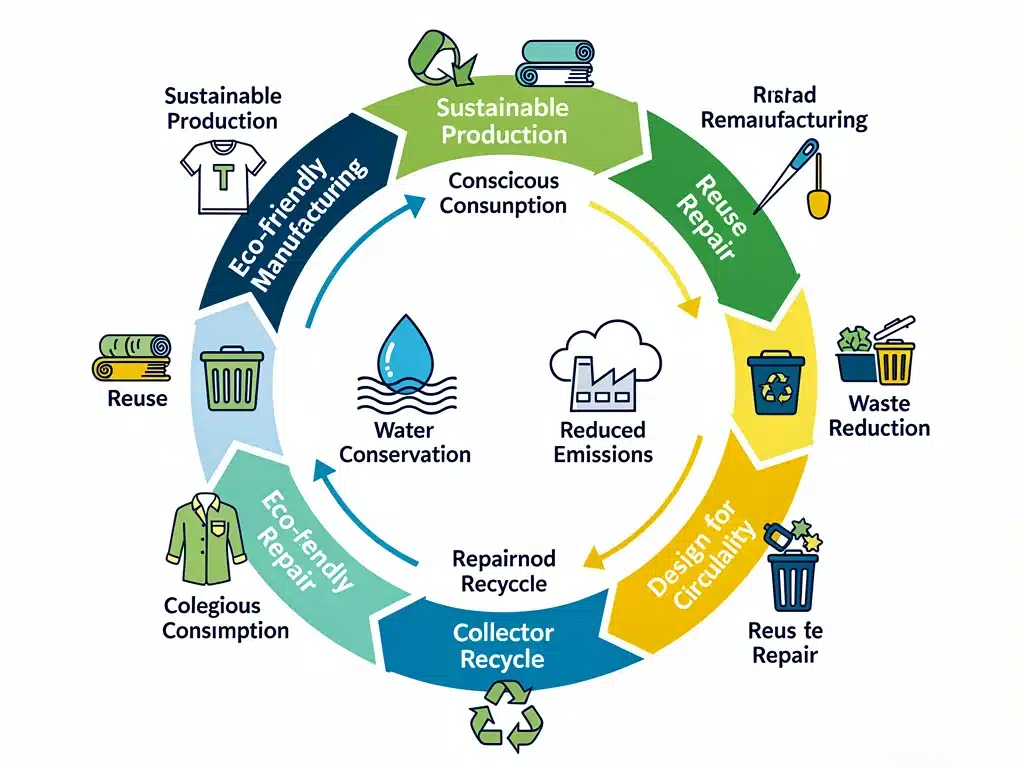
The focus will likely shift towards more circular systems, where materials are endlessly recycled and repurposed, minimizing waste entirely. Bio-fabrication and regenerative agriculture are also areas of significant potential.
Sustainable Fabric Choices serves as a foundational document, setting the stage for ongoing advancements and a more profound commitment to environmental stewardship within the textile sector.
Emerging Technologies and Circularity
Future sustainable fabric choices will increasingly leverage biotechnology, creating materials from algae, fungi, or bacterial cellulose. These innovations promise highly sustainable alternatives with unique properties.
The concept of circularity will move from aspiration to standard practice, with advanced recycling technologies enabling closed-loop systems for a wider range of textiles. This minimizes reliance on virgin resources and reduces landfill waste.
The guide anticipates a future where every garment is designed with its end-of-life in mind, ensuring that materials can be easily recovered and reintegrated into the production cycle, embodying the true spirit of sustainable fabric choices.
| Key Point | Brief Description |
|---|---|
| Reduced Footprint | Aims for a 30% reduction in fashion’s environmental impact by 2026. |
| Key Materials | Highlights organic cotton, recycled polyester, Tencel, and hemp. |
| Brand Strategies | Emphasizes supply chain transparency and third-party certifications. |
| Consumer Power | Encourages informed purchasing decisions to drive market change. |
Frequently Asked Questions About Sustainable Fabric Choices
The guide aims to provide a comprehensive framework for reducing the fashion industry’s environmental footprint by 30% by 2026. It focuses on promoting the adoption of eco-friendly materials, encouraging transparent supply chains, and empowering both brands and consumers to make more sustainable decisions.
Key sustainable fabric choices for 2026 include organic cotton, hemp, linen, recycled polyester (rPET), and regenerated cellulosic fibers like Tencel™ Lyocell and Modal. These materials are highlighted for their reduced environmental impact in terms of water usage, chemical pollution, and energy consumption.
Consumers can contribute by making informed purchasing decisions, choosing garments made from sustainable fabric choices, and supporting brands committed to ethical practices. Additionally, extending the lifespan of clothing, repairing items, and participating in clothing recycling programs are crucial actions.
Certifications like GOTS, Oeko-Tex, Bluesign, and GRS are vital for verifying the sustainability claims of fabrics and brands. They provide independent assurance that materials are produced responsibly, free from harmful substances, and meet specific environmental and social criteria, helping to combat greenwashing.
Major challenges include the higher cost of sustainable fabric choices compared to conventional alternatives, limited scalability of innovative materials, and a lack of comprehensive recycling infrastructure. Overcoming these requires investment in R&D, collaborative industry efforts, and increased consumer demand.
Looking Ahead
The release and subsequent adoption of Sustainable Fabric Choices marks a pivotal moment for the fashion industry.
Its detailed directives and emphasis on measurable reductions signal a concerted effort towards genuine environmental stewardship.
What happens now is critical: brands must actively integrate these guidelines, consumers must demand transparency, and policymakers should support sustainable innovation.
The coming years will reveal the true impact of this guide, shaping not only how clothes are made but also how we perceive and value fashion in an increasingly eco-conscious world.