Post-Launch Updates: 2 Games Improved Over 3 Months

Advertisements
This report examines how two major video games underwent significant transformations and improvements within their initial three months post-release. We delve into the critical updates, developer strategies, and player reception that shaped their early evolution.
Post-Launch is a critical topic in the gaming industry, often determining a title’s long-term success. The initial months following a game’s release are crucial, setting the tone for player engagement and community perception.
Developers face the immense challenge of refining their creations while simultaneously responding to live player feedback and technical issues. This dynamic period can either solidify a game’s reputation or lead to its early decline, highlighting the importance of agile development and clear communication.
Understanding the strategies employed by successful titles during this volatile phase offers invaluable insights into effective game development and community management. We will explore two specific examples that demonstrate significant positive evolution.
Advertisements
The Initial Landscape: Launch Day Realities
Game launches are frequently met with a mix of excitement and trepidation, as players eagerly anticipate new experiences while developers brace for the inevitable challenges that arise when a product meets a global audience. Despite extensive testing, unforeseen bugs and performance issues are common upon release, often impacting player satisfaction.
The pressure to deliver a polished product is immense, yet the complexities of modern game development mean that launch day is rarely the final state of a game. Instead, it marks the beginning of a continuous development cycle, heavily influenced by real-world player interactions.
Early player feedback, often delivered through forums, social media, and review platforms, becomes a crucial resource for developers. This immediate data stream guides subsequent patches and updates, shaping the game’s trajectory in its most formative period.
Case Study 1: Game A’s Transformative Patches
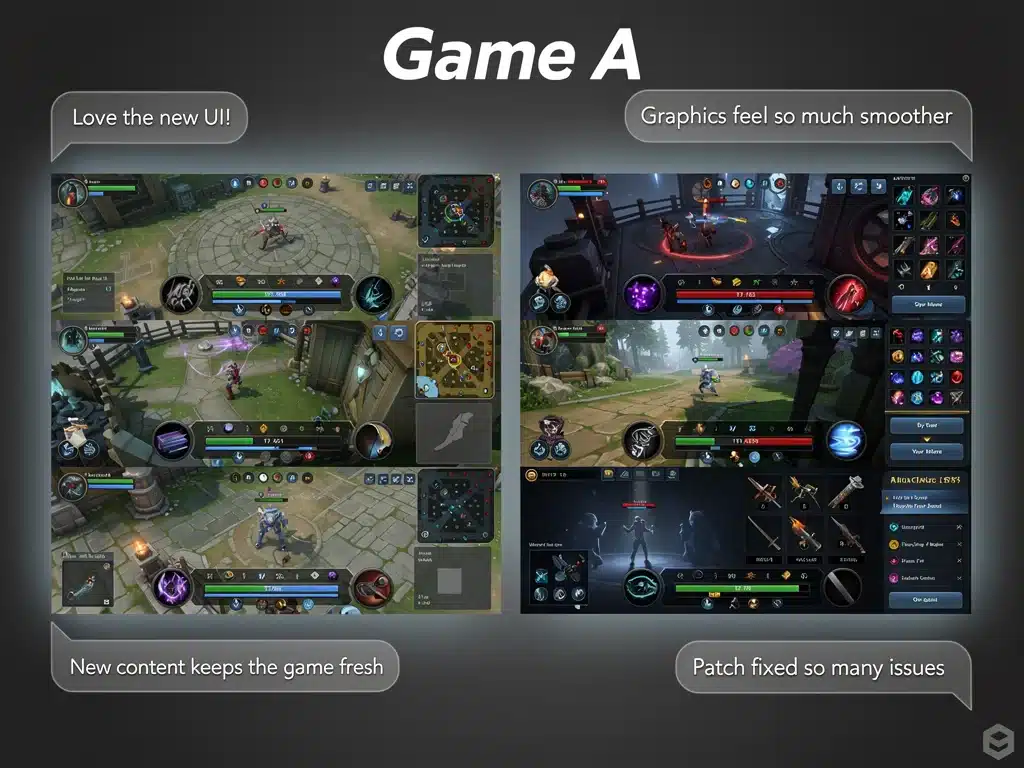
Game A, a highly anticipated open-world RPG, launched with significant performance issues and a notable lack of quality-of-life features that left many players frustrated. Initial reviews were mixed, with critics praising its ambition but lamenting its technical shortcomings and rough edges.
The development team, however, quickly acknowledged these criticisms, committing to a rapid improvement schedule. Their transparency and consistent communication with the community played a pivotal role in managing expectations and rebuilding trust.
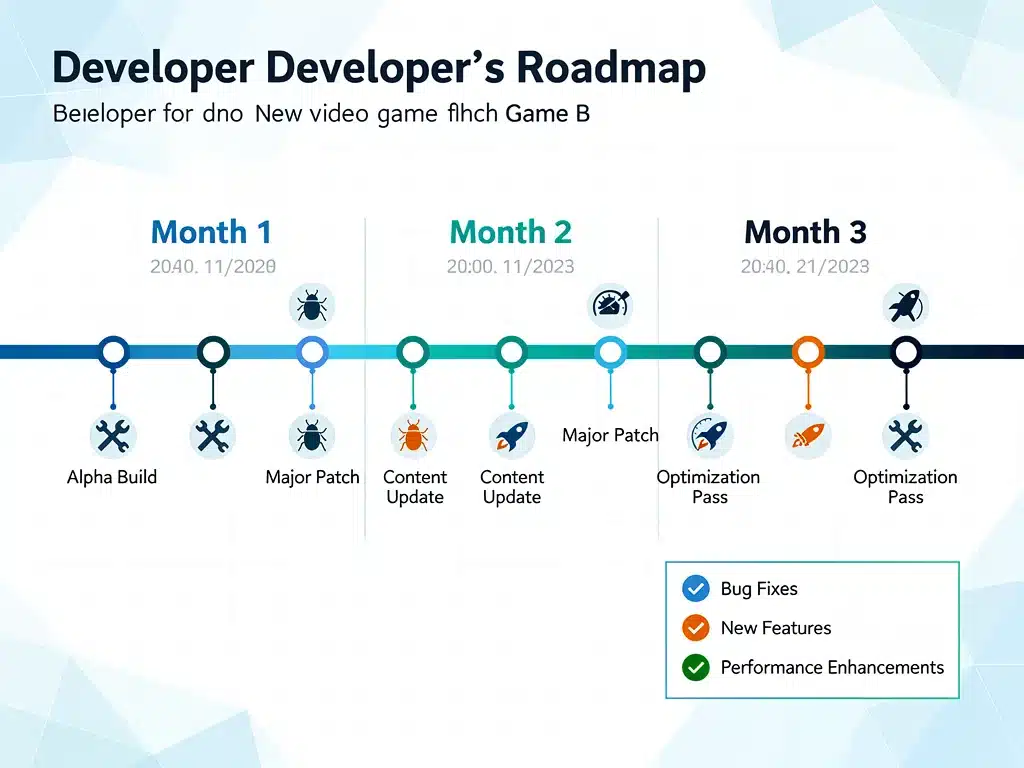
Within its first three months, Game A received several substantial updates that dramatically altered its perception. These Post-Launch demonstrated a clear commitment to player satisfaction and long-term viability.
Addressing Performance and Stability
The earliest patches for Game A primarily focused on critical performance optimizations, including frame rate stability, memory management, and addressing frequent crashes.
These technical fixes were paramount in making the game playable for a wider audience, especially on various hardware configurations.
Developers released detailed patch notes, often explaining the technical challenges they faced and the solutions implemented. This level of detail reassured players that their concerns were being heard and actively addressed, fostering a sense of collaboration.
- Performance Optimization: Significant improvements in frame rates across all platforms, reducing stuttering and increasing overall smoothness.
- Bug Squashing: Elimination of numerous game-breaking bugs, quest progression blockers, and visual glitches that detracted from the experience.
- Stability Enhancements: Reduction in game crashes and improved server stability for online components, leading to a more reliable gameplay environment.
Enhancing Core Gameplay Mechanics
Beyond technical stability, Game A’s updates also introduced crucial gameplay refinements based directly on player feedback. These included adjustments to combat mechanics, inventory management, and the overall user interface.
The developers iterated on existing systems, making them more intuitive and rewarding, which deepened player engagement. These changes showcased how quickly a game can evolve when developers prioritize iterative design and community input.
For example, a major overhaul of the crafting system made it less tedious and more accessible, encouraging players to delve deeper into the game’s economic loop. Such targeted improvements are a hallmark of effective Post-Launch.
Case Study 2: Game B’s Content and Quality-of-Life Expansion
Game B, an online multiplayer title, launched with a solid core gameplay loop but was criticized for its limited content offering and certain quality-of-life oversights that hindered long-term player retention. The community quickly vocalized a desire for more variety and convenience features.
Recognizing the need to keep its player base engaged, the Game B team adopted an aggressive content rollout strategy alongside continuous system improvements. Their communication focused on future plans, building anticipation for upcoming additions.
The first three months saw Game B transform from a promising but sparse experience into a robust and engaging platform. This swift evolution is a testament to proactive development and responsive community engagement, core aspects of successful Post-Launch.
Introducing New Content and Features
Game B’s early updates focused heavily on expanding the game world and providing new activities for players. This included new maps, game modes, and character customization options, directly addressing the initial content drought.
The addition of new playable characters, each with unique abilities, significantly diversified gameplay strategies and encouraged players to experiment. These content drops were strategically timed to maintain player interest and attract new users.
- New Maps and Arenas: Expansion of the playable environment, offering fresh tactical opportunities and visual variety.
- Additional Game Modes: Introduction of new ways to play, catering to different player preferences and extending replayability.
- Character Customization: Expanded options for player expression, enhancing the personal connection players felt with their in-game avatars.
Refining User Experience and Accessibility
Alongside new content, Game B also implemented numerous quality-of-life improvements that streamlined the player experience. These ranged from improved matchmaking algorithms to more intuitive menu navigation and accessibility options.
These smaller, yet impactful, changes collectively made the game more enjoyable and welcoming for both new and veteran players. The attention to detail in these updates showcased a deep understanding of player needs and preferences.
For instance, an updated tutorial system provided a smoother onboarding experience for newcomers, while a revamped progression system offered clearer goals for long-term players. Such refinements are crucial for long-term player retention and demonstrate the power of well-executed Post-Launch.
The Role of Community Feedback in Early Development
The success of both Game A and Game B in their initial post-launch phase highlights the indispensable role of community feedback. Modern game development is increasingly a collaborative process between developers and their player base.
Establishing clear channels for feedback, such as dedicated forums, bug reporting tools, and social media presence, allows developers to quickly identify pressing issues and gauge player sentiment. This direct line of communication is invaluable for prioritizing development efforts.
Furthermore, transparent communication from the development team about planned updates and their rationale builds trust and keeps the community invested. Players are more likely to remain patient and supportive when they feel heard and informed about the game’s evolution.
Iterative Design and Agile Methodologies
The rapid pace of improvements seen in Game A and Game B underscores the effectiveness of iterative design and agile development methodologies. These approaches allow teams to quickly implement changes, test them, and deploy updates in short cycles.
This contrasts with more traditional, rigid development models that might take longer to respond to live issues. The ability to pivot quickly based on real-time data is a significant advantage in the competitive gaming market.
Agile development fosters a continuous improvement mindset, where each patch is seen not as an end, but as a step towards a more refined and enjoyable game. This continuous loop of feedback and implementation is key to successful Post-Launch.
Developer Transparency and Communication Strategies
Beyond simply implementing changes, how developers communicate their efforts is equally important. Both Game A and Game B excelled in maintaining transparent dialogues with their communities, which helped mitigate negative sentiment during challenging periods.
Regular developer blogs, detailed patch notes, and direct engagement on social media platforms kept players informed about ongoing progress. This proactive communication built a bridge of trust between the development teams and their player bases.
Acknowledging missteps and openly discussing future plans demonstrated a commitment to long-term support, which is a powerful tool for retaining players. Effective communication is a cornerstone of successful Post-Launch.
Building Trust Through Regular Updates
Consistent delivery of meaningful updates, even small ones, signals to players that the game is actively being supported and improved. These regular infusions of content and fixes prevent player fatigue and keep the community engaged.
The frequency and quality of patches during the first three months often set the precedent for a game’s entire lifespan. Games that demonstrate early and consistent improvements tend to foster more loyal and forgiving communities.
This consistent effort transcends mere bug fixes; it also includes balancing changes, new features, and quality-of-life adjustments that enhance the overall player experience. Such dedication is vital for the long-term health of any online title.
Impact on Player Retention and Critical Reception
The significant improvements made by Game A and Game B in their initial three months had a tangible impact on both player retention and critical reception. Games that address early issues effectively often see a resurgence in player numbers and a more positive perception over time.
Review scores, which might have been initially lukewarm, often improve as major patches roll out and critics revisit the updated experience. This turnaround can be crucial for a game’s commercial success and its standing within the industry.
Ultimately, a positive post-launch trajectory strengthens the game’s community, turning initial skeptics into advocates. This showcases the profound impact of well-executed Post-Launch.
Long-Term Viability and Sales Performance
Games that demonstrate robust post-launch support often achieve greater long-term viability and sustained sales. Players are more willing to invest in titles they know will continue to evolve and improve.
Word-of-mouth marketing also plays a significant role, as satisfied players recommend the improved game to their friends. This organic growth can be more powerful than any initial marketing campaign, especially for games that overcame a rocky start.
The commitment to Post-Launch can transform an initial disappointment into a beloved classic, proving that initial impressions are not always final.
Lessons Learned for Future Game Development
The experiences of Game A and Game B offer valuable lessons for the broader game development community. Prioritizing player feedback, maintaining transparent communication, and embracing agile development are key pillars for navigating the post-launch period successfully.
Developers should view launch day not as a finish line, but as the beginning of a new phase of intense development and community engagement. The ability to adapt and respond quickly is more critical than ever in today’s dynamic gaming landscape.
Investing in robust post-launch support can turn a challenging release into a long-term success story, demonstrating that continuous improvement is an essential component of modern game design. These examples underscore the evolving nature of game development.
| Key Point | Brief Description |
|---|---|
| Rapid Bug Fixing | Immediate patches addressed critical performance and stability issues. |
| Content Expansion | New maps, modes, and features were added to enrich gameplay. |
| Player Feedback Integration | Community input directly influenced gameplay and QoL improvements. |
| Transparent Communication | Developers maintained open dialogue, building trust and managing expectations. |
Frequently Asked Questions About Game Post-Launch Updates
The initial three months are crucial because they directly influence player retention, community perception, and critical reception. This period allows developers to address launch issues, implement feedback, and build a positive trajectory for the game’s future. It’s when a game either solidifies its player base or risks losing it.
Developers utilize various channels to gather feedback, including official forums, social media platforms, dedicated bug reporting tools, and in-game surveys. They also monitor community discussions on sites like Reddit and YouTube. This comprehensive approach ensures a broad understanding of player sentiment and identifies key areas for improvement.
Common improvements include critical bug fixes, performance optimizations (e.g., frame rate stability), quality-of-life enhancements (e.g., UI/UX improvements), and new content additions like maps, characters, or game modes. Balancing adjustments to gameplay mechanics are also frequent to ensure a fair and enjoyable experience.
Absolutely. There are numerous examples in the industry where games launched to mixed or negative reviews significantly improved their standing through consistent and meaningful post-launch updates. By addressing core issues and adding value, developers can transform a game’s reputation, attracting new players and winning back initial critics.
Developer transparency is extremely important. Open communication about known issues, planned fixes, and future content builds trust and manages player expectations. It fosters a sense of collaboration between the community and the development team, which is vital for maintaining a loyal and supportive player base during the game’s evolution.
Perspectives on Game Evolution
The detailed examination of post-launch offers a clear blueprint for success in the dynamic gaming industry. These case studies underscore that a game’s launch state is merely a starting point, not its definitive form.
The continuous improvement model, driven by diligent development and responsive community engagement, transforms initial challenges into opportunities for growth and long-term player satisfaction. This approach is becoming the standard for titles aiming for sustained relevance.
Moving forward, the industry will undoubtedly see more games embrace this iterative development cycle, recognizing that the journey with players extends far beyond release day. The capacity for evolution is now a core metric of a game’s potential.