Story-Driven Games Review: Top 3 Narratives Explored
Advertisements
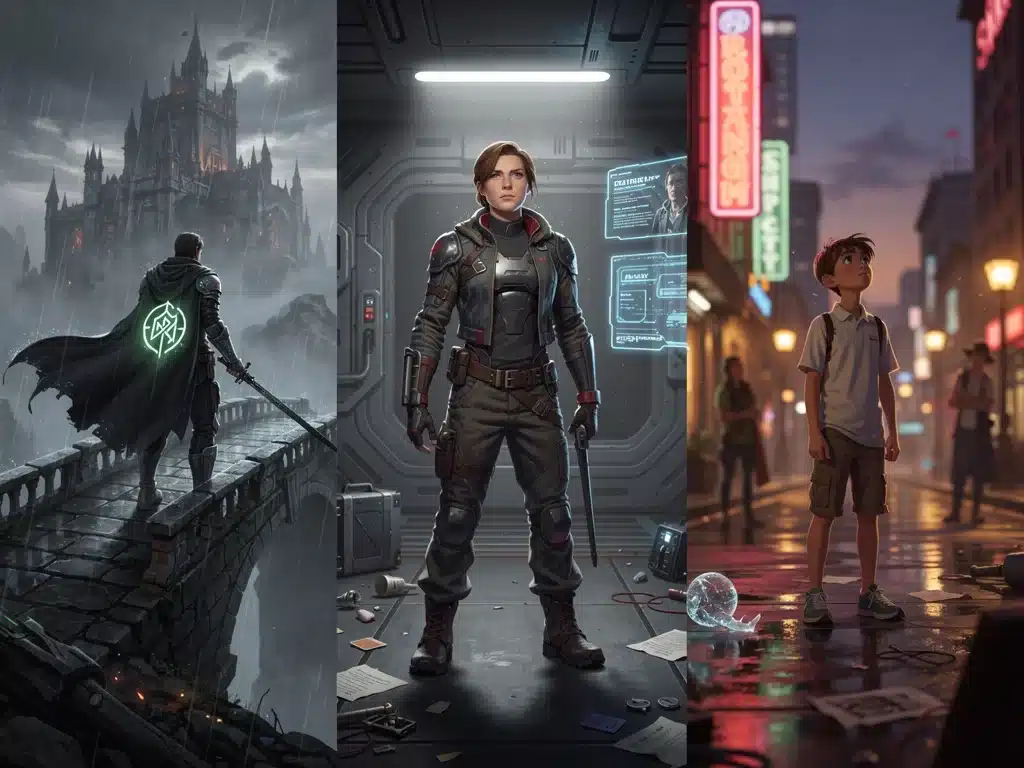
Three story-driven games released within the past three months are attracting attention for their narrative structure, character development, and player choice. This review examines how each title approaches storytelling and what distinguishes it from other recent releases.
The analysis focuses on plot execution, pacing, dialogue, world-building, and the relationship between gameplay and narrative. It also considers whether player decisions meaningfully influence the experience or simply create the appearance of control.
Together, these games reflect the evolving role of storytelling in modern gaming. Their reception may influence how studios design future narrative experiences, balance cinematic presentation with interactivity, and respond to audience expectations.
The Evolving Landscape of Narrative Gaming
The gaming industry has consistently pushed boundaries, with narrative experiences becoming increasingly central to player engagement. Recent releases demonstrate a commitment to deep storytelling, captivating audiences with intricate plots and memorable characters.
Advertisements
Developers are leveraging advanced technology to craft immersive worlds where player choices genuinely influence the unfolding narrative. This evolution signifies a shift towards more mature and thought-provoking interactive experiences.
This review delves into three standout titles from the past quarter, each offering a distinct approach to narrative design and player interaction. Our focus remains on the core storytelling mechanisms and their overall impact.
Game 1: Echoes of the Forgotten Shore – A Masterclass in Emotional Depth
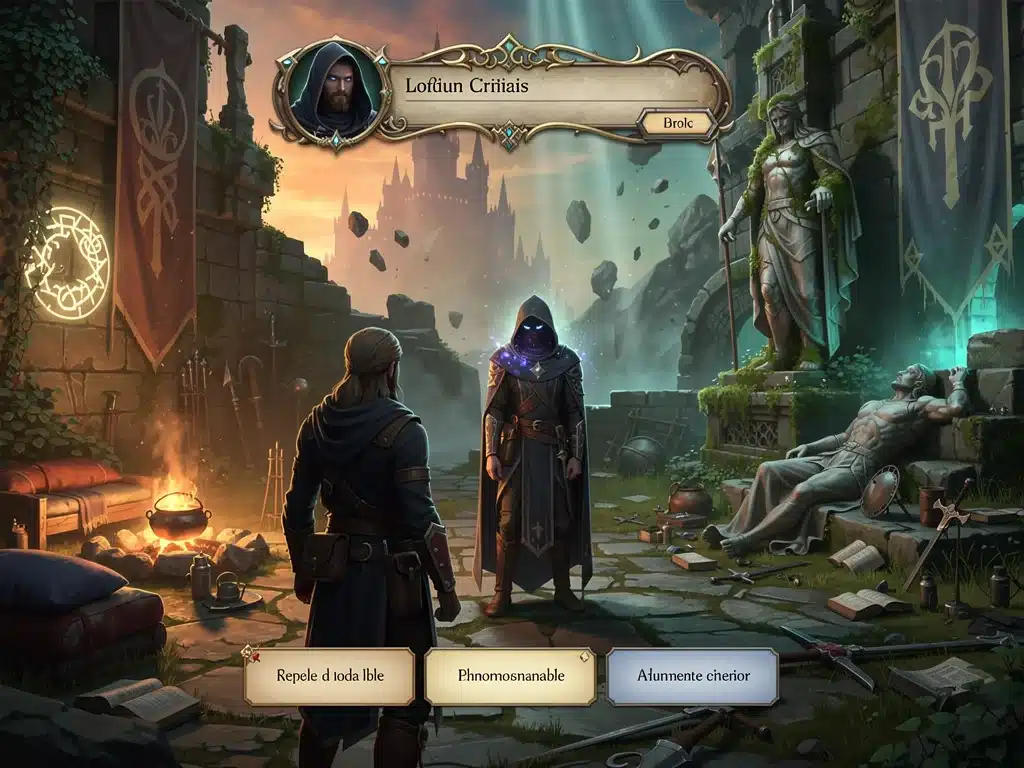
Echoes of the Forgotten Shore launched to critical acclaim, lauded for its poignant narrative and profound exploration of memory and loss. The game masterfully weaves a tale that resonates deeply with players, prompting reflection long after the credits roll.
Its strength lies in its nuanced character development and the emotional weight carried by every decision the protagonist makes. This title exemplifies how a strong narrative can elevate a gaming experience beyond mere entertainment.
The intricate world-building and subtle environmental storytelling contribute significantly to the overall atmosphere, making every step of the journey feel meaningful. This game sets a high bar for future story-driven games review.
Unpacking the Narrative Structure
The narrative in Echoes of the Forgotten Shore is non-linear, allowing players to piece together events through exploration and interactions. This design choice enhances the sense of discovery and personal connection to the story.
Flashbacks and fragmented memories serve as crucial plot devices, slowly revealing the protagonist’s past and the central mystery. This method keeps players engaged, constantly seeking answers within the beautifully crafted world.
- Non-linear storytelling for enhanced discovery.
- Fragmented memories as key plot revelations.
- Player-driven exploration to uncover lore.
Character Development and Player Agency
The characters are exceptionally well-written, exhibiting complex motivations and believable emotional arcs. Players often face morally ambiguous choices that directly impact the fate of these characters, adding significant weight to gameplay.
The game’s dialogue system is robust, offering multiple response options that can alter relationships and unlock new narrative paths. This level of agency makes the player feel truly integral to the unfolding drama.
- Complex characters with evolving motivations.
- Morally ambiguous choices with lasting consequences.
- Dynamic dialogue influencing relationships and paths.
Game 2: Chrono Nexus – Blending Sci-Fi with Philosophical Questions
Chrono Nexus presents a compelling blend of hard science fiction and deep philosophical inquiry, challenging players to consider the nature of time, existence, and artificial intelligence. Its ambitious narrative scope is a defining feature.
The game’s intricate plot involves time travel paradoxes and alternate realities, executed with remarkable clarity and logical consistency. This makes for a mentally stimulating experience that rewards careful attention to detail.
Players are constantly confronted with ethical dilemmas that have far-reaching consequences within the game’s universe, making it a standout entry in the recent wave of story-driven games review. The narrative forces players to consider their impact on the timeline.
The Intricacies of Time Travel Mechanics
Chrono Nexus introduces a unique time manipulation mechanic that is central to both its gameplay and narrative. Players must strategically use time shifts to solve puzzles and advance the story, often witnessing the immediate repercussions of their actions.
The developers have meticulously crafted a set of rules for time travel within the game, ensuring that the narrative remains coherent despite its complexity. This commitment to internal logic strengthens the overall immersion.
Understanding the causality loops and potential paradoxes becomes a core part of the player’s journey, adding a layer of intellectual engagement not often found in other titles. This dedication to sophisticated mechanics elevates the experience.
Exploring Existential Themes
Beyond its sci-fi premise, Chrono Nexus delves into profound philosophical questions about free will, destiny, and the definition of consciousness. These themes are not merely background elements but are woven directly into the core narrative.
The game presents various perspectives on these topics through its diverse cast of characters, each grappling with their own understanding of reality. This encourages players to form their own conclusions, fostering a deeper connection to the story.
The choices players make often reflect their own philosophical leanings, impacting how the narrative unfolds and ultimately shaping the game’s ending. This personal investment is a hallmark of great story-driven games review.
Game 3: The Crimson Veil – A Neo-Noir Detective Thriller
The Crimson Veil offers a gritty, atmospheric neo-noir experience, placing players in the shoes of a detective unraveling a complex conspiracy in a rain-soaked metropolis. Its narrative is characterized by sharp dialogue and morally grey characters.
The game excels in building a palpable sense of tension and mystery, with every clue and interrogation bringing players closer to the truth, or further into the web of deceit. The urban environment itself feels like a character.
Its branching dialogue and investigation mechanics provide a high degree of player agency, allowing different approaches to solving cases and influencing outcomes. This makes each playthrough feel unique and personal.
Crafting a Gripping Detective Story
The core of The Crimson Veil lies in its intricate detective work, requiring players to meticulously examine crime scenes, interview suspects, and piece together fragmented evidence. The narrative rewards keen observation and logical deduction.
Each case is a self-contained story that contributes to a larger overarching conspiracy, gradually exposing the dark underbelly of the city. The pacing is expertly handled, balancing moments of intense action with periods of thoughtful investigation.
The game’s commitment to its noir aesthetic is evident in its visual style, musical score, and the cynical yet compelling voice acting. This consistency enhances the immersion in this compelling story-driven games review.
Moral Ambiguity and Player Choices
True to the neo-noir genre, The Crimson Veil frequently forces players into morally compromising situations. There are rarely clear-cut right or wrong answers, and every decision carries ethical implications.
The consequences of player choices are often delayed, manifesting in unexpected ways later in the narrative, highlighting the complex nature of justice in this corrupt world. This adds significant replayability and encourages careful consideration.
The game explores themes of corruption, redemption, and the blurred lines between hero and villain, allowing players to shape their detective’s moral compass through their actions. This deep moral system is a highlight.
The Impact of Narrative on Player Engagement
The success of these three titles underscores the growing importance of narrative in modern gaming. Players are increasingly seeking experiences that offer more than just mechanical proficiency; they crave compelling stories and meaningful connections.
A strong narrative can transform a good game into an unforgettable one, fostering emotional investment and encouraging deeper exploration of its themes. This trend is expected to continue shaping the future of game design.
Developers are realizing that rich storytelling can differentiate their products in a crowded market, creating experiences that resonate on a personal level. The demand for well-crafted story-driven games review remains high.
Innovation in Storytelling Mechanics
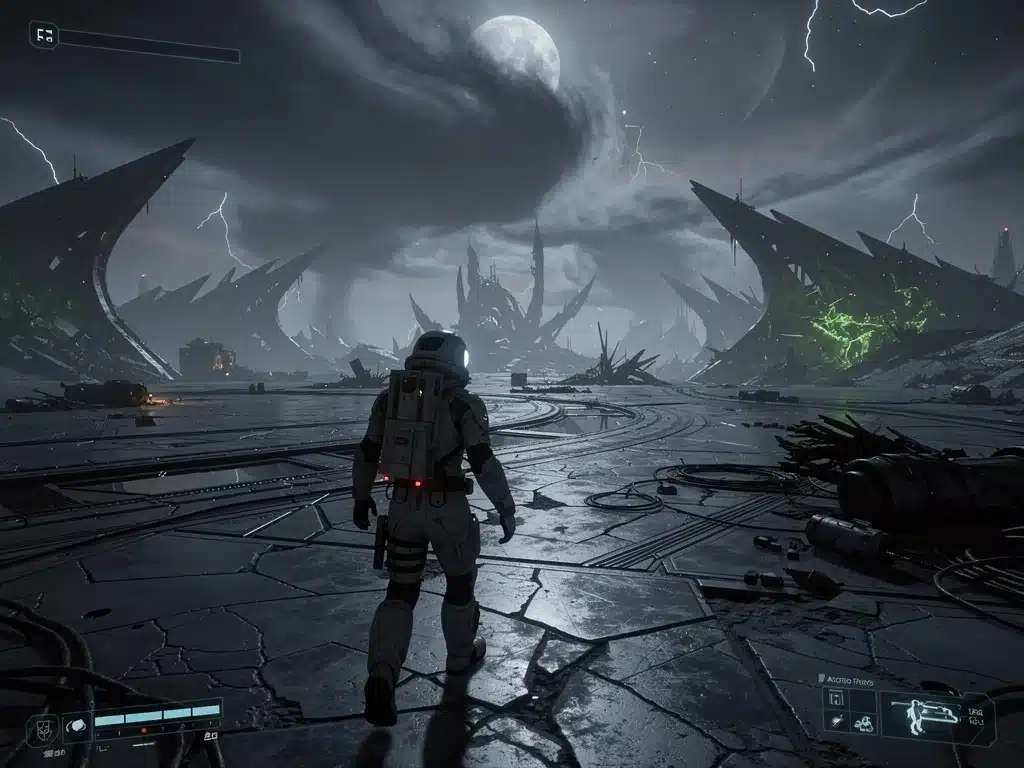
The games reviewed showcase diverse approaches to integrating narrative with gameplay. From non-linear exploration to time manipulation and branching dialogue, innovation is at the forefront of their design.
These mechanics empower players to actively participate in the storytelling, rather than passively observing. This interactive narrative style creates a stronger sense of ownership and personal investment in the game world.
The continuous evolution of these mechanics promises even more sophisticated and engaging narrative experiences in the future, pushing the boundaries of what interactive storytelling can achieve. This is a key area for story-driven games review.
Looking Ahead: The Future of Story-Driven Gaming
The trajectory of recent releases suggests a bright future for narrative-focused games. Developers are investing heavily in writing, voice acting, and cinematic presentation to deliver unparalleled storytelling.
Expect to see further advancements in AI-driven character interactions and procedural narrative generation, allowing for even more dynamic and personalized stories. The emphasis on player choice will likely deepen.
As technology progresses, the line between traditional media and interactive narratives will blur even further, offering players experiences that are both deeply personal and universally resonant. The landscape for story-driven games review is exciting.
| Game Title | Key Narrative Focus |
|---|---|
| Echoes of the Forgotten Shore | Memory, loss, and emotional depth |
| Chrono Nexus | Time travel, philosophy, and AI |
| The Crimson Veil | Neo-noir, detective work, and moral ambiguity |
| Overall Trend | Deep, player-driven narratives |
Frequently Asked Questions About Story-Driven Games
A story-driven game prioritizes narrative, character development, and plot over other gameplay elements. Player actions often influence the storyline, leading to branching paths and multiple endings. The focus is on delivering a compelling and immersive tale that engages the player emotionally and intellectually.
Narrative games are gaining popularity due to players seeking deeper, more meaningful experiences beyond simple mechanics. Advancements in technology allow for more sophisticated storytelling, realistic graphics, and emotional performances. This appeals to a broader audience looking for interactive cinematic experiences.
Player choices in story-driven games can significantly alter the narrative path. This includes affecting character relationships, unlocking new quests, changing plot developments, and leading to different endings. This level of agency enhances replayability and makes each player’s journey unique within the game’s overarching story.
A compelling narrative in a game typically features well-developed characters, a coherent and engaging plot, meaningful themes, and effective pacing. It often incorporates elements of mystery, conflict, and resolution, allowing players to connect emotionally with the story and its inhabitants. Strong writing and voice acting are also crucial.
While many story-driven games offer accessible gameplay, their suitability depends on individual player preferences for narrative depth and thematic content. Some narratives may contain mature themes or complex philosophical ideas. It’s always advisable to check game ratings and content warnings to ensure they align with personal interests.
Perspectives on Narrative Gaming’s Evolution
The recent surge in high-quality story-driven games review highlights a significant maturation in the industry, moving beyond simple entertainment to offer profound interactive experiences. This trend reflects a broader consumer demand for content that engages on a deeper, intellectual, and emotional level.
As developers continue to push the boundaries of storytelling through innovative mechanics and intricate plots, the landscape of gaming will undoubtedly continue to evolve. This evolution promises richer, more personalized narratives that resonate with players long after they’ve finished their journey.
Monitoring upcoming titles and developer announcements will be crucial to understanding the next wave of advancements in narrative gaming. The focus remains on how these experiences shape player perception and contribute to the art form of video games.