RPG Evolution: Beta to Release in 6 Months Review
Advertisements
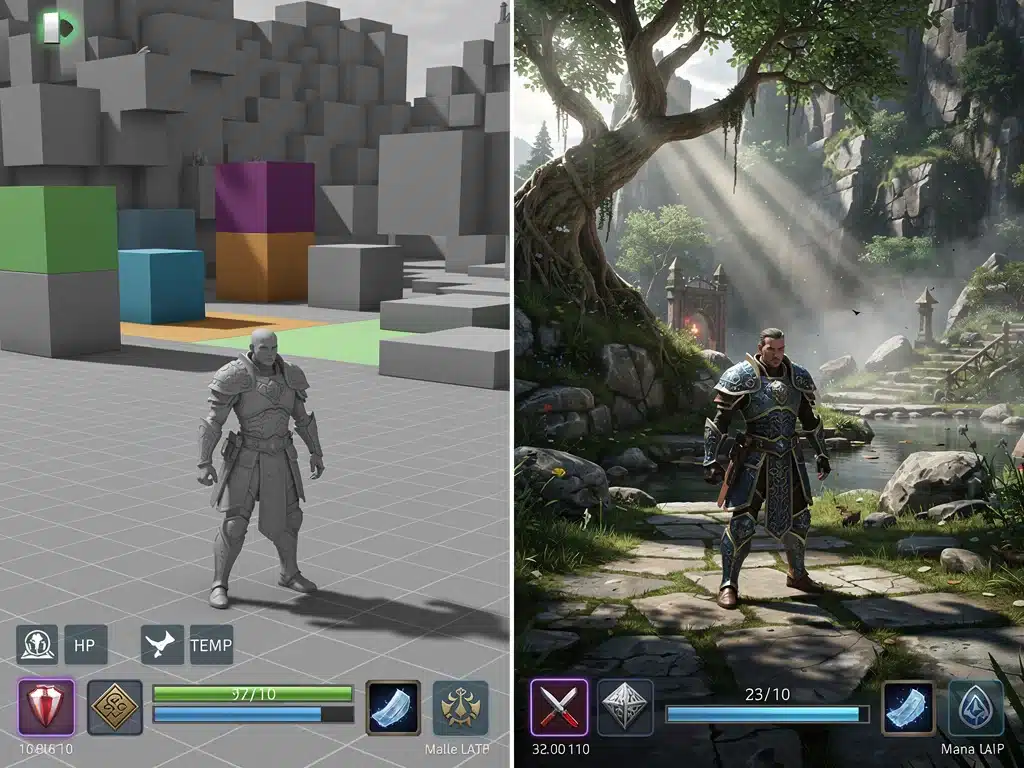
This RPG Beta Release Review examines how a major role-playing game changed during six months of development between beta testing and official release.
The process involved player feedback, technical adjustments, content expansion, interface improvements, and repeated changes to core gameplay systems.
Looking at these stages helps explain how an unfinished beta can evolve into a more polished and complete final experience.
Unveiling the Beta: Initial Impressions and Core Mechanics
The beta introduced players to the RPG’s core combat, progression, exploration, and narrative systems while many features were still being refined.
Advertisements
Early testing allowed developers to observe how players interacted with the game and identify issues that were difficult to predict internally.
The initial build showed considerable potential but also highlighted areas where balance, usability, performance, and overall polish still needed improvement.
The Power of Player Feedback: Shaping the Game’s Direction
Player feedback became one of the most important sources of information during the six-month development period.
Surveys, bug reports, community discussions, and direct gameplay data helped developers understand recurring problems and prioritize improvements.
This ongoing exchange made the beta a more collaborative process, allowing the development team to refine systems based on actual player experiences.
Critical Community Contributions
Community feedback influenced several areas that directly affected moment-to-moment gameplay and the overall quality of the experience.
Balance concerns, interface problems, and technical issues were repeatedly identified by players and then addressed through subsequent updates.
These contributions helped developers focus resources on problems that had the greatest impact on usability, fairness, and player satisfaction.
- Balance Adjustments: Player reports contributed to changes in abilities, enemy encounters, and economy systems.
- Quality of Life Improvements: Feedback encouraged clearer menus, quest tracking, and navigation tools.
- Bug Identification: Testers helped uncover both minor glitches and more serious gameplay problems.
Iterative Development: Patch Cycles and Major Overhauls
The months after beta launch were defined by frequent patches that addressed bugs, balancing concerns, performance problems, and gameplay feedback.
Updates were also used to test redesigned mechanics and introduce features that had not been fully implemented in the earliest build.
This iterative approach became a central part of the RPG Beta Release Review, showing how repeated adjustments shaped the final version.
Key Development Milestones
Several major changes during development went beyond ordinary bug fixes and affected systems that defined the overall player experience.
Combat, storytelling, and technical performance received substantial attention as developers responded to recurring community concerns.
Each milestone brought the game closer to the intended release quality while preserving the strongest elements of the original design.
- Combat System Rework: Core mechanics were adjusted to make encounters more fluid and strategically engaging.
- Narrative Enhancements: Additional dialogue, side content, and pacing changes expanded the story experience.
- Performance Optimization: Updates targeted frame rates, loading times, and stability across different hardware.
Graphical and Technical Refinements: From Rough Edges to Polished Worlds
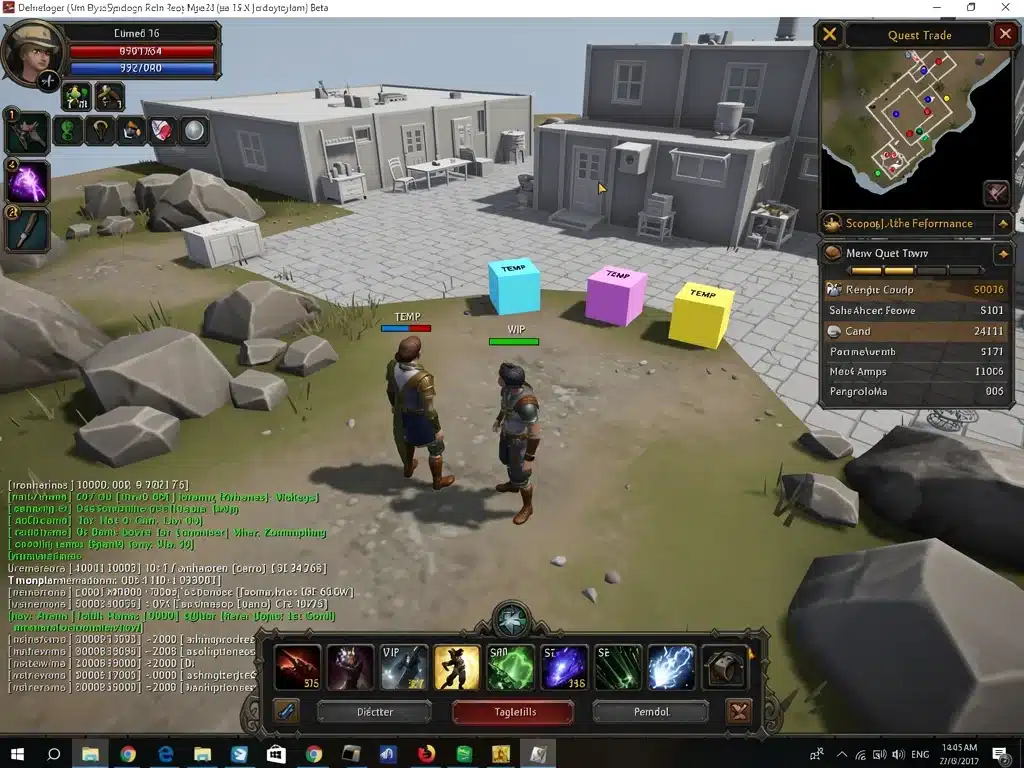
Visual quality changed significantly during the six-month development period as unfinished assets, textures, lighting, and models received additional refinement.
Environmental details and character presentation were improved to create a more coherent and immersive world by the time of release.
Technical optimization also became a major priority within the RPG Beta Release Review, with developers working on stability and performance alongside visual upgrades.
Content Expansion and World-Building: Adding Depth and Longevity
The final version expanded beyond the content available during beta, adding more locations, activities, enemies, and narrative material.
New quests and world-building elements were integrated into the existing structure to make exploration feel more complete and interconnected.
This additional content strengthened the RPG Beta Release Review by showing how development focused on both quality and overall scope.
User Interface and Experience Overhaul: Streamlining Interaction
The beta revealed several areas where menus and navigation could interrupt gameplay or make important information difficult to understand.
Developers redesigned elements such as inventories, maps, quest logs, skill systems, and other interfaces to improve clarity and accessibility.
Better controls, tutorials, camera behavior, and interaction flow also helped make the final game easier to learn and more comfortable to play.
Monetization and Post-Launch Strategy: Ethical Considerations
As release approached, monetization and future content became important topics because these decisions could influence long-term player trust.
The developers communicated their approach to optional purchases, cosmetic content, and possible future expansions more clearly as launch drew closer.
Within the RPG Beta Release Review, this transparency formed part of the broader effort to establish a sustainable relationship with the community.
The Final Product: A Transformed Experience
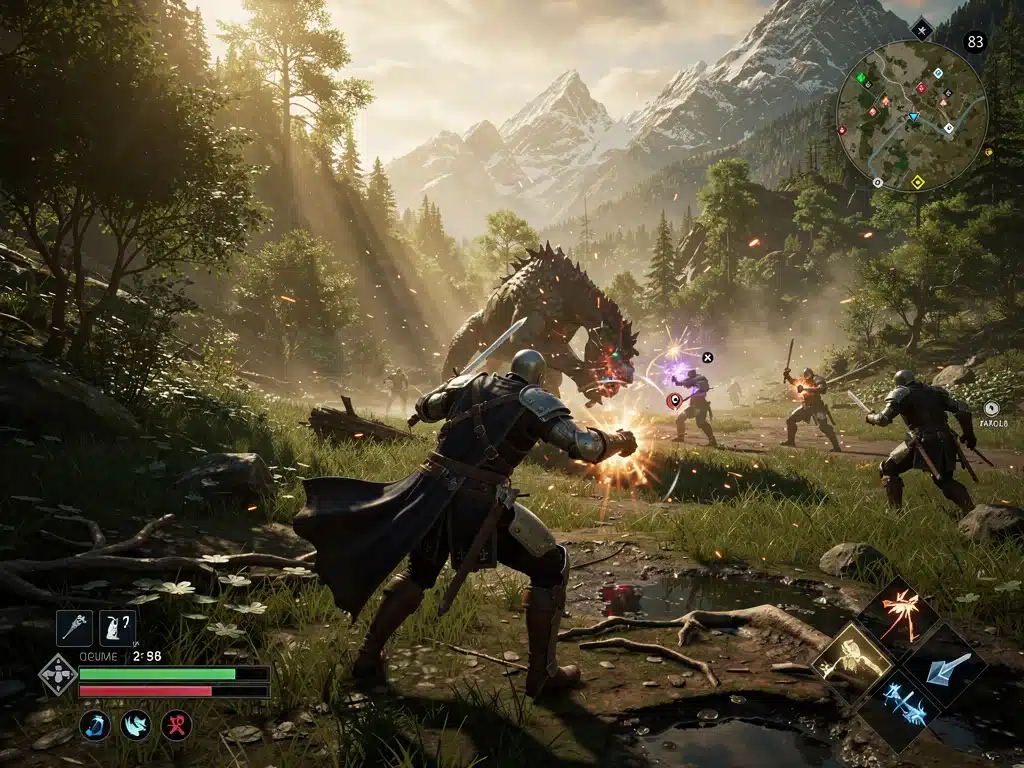
By official release, the RPG presented a noticeably more refined experience than the version players encountered during the initial beta.
Combat, performance, visuals, content, interface design, and general stability all benefited from six months of concentrated development and testing.
The final RPG Beta Release Review demonstrates how structured feedback and iterative development can significantly improve a game before launch.
| Key Aspect | Transformation Summary |
|---|---|
| Player Feedback | Helped guide balancing, usability improvements, and bug resolution. |
| Visual & Technical | Graphics, performance, loading, and stability received substantial refinement. |
| Content & Narrative | The world, quests, characters, and storytelling were expanded and refined. |
| User Experience | UI and controls were redesigned for smoother and clearer interaction. |
Frequently Asked Questions About RPG Development
Beta testing provides developers with real-world information about bugs, performance, balance, and player behavior. It can reveal problems that are difficult to identify through internal testing alone.
Community feedback helps developers identify recurring frustrations, evaluate gameplay systems, and prioritize improvements based on how people actually interact with the game.
Critical bugs and issues affecting core gameplay usually receive priority, while quality-of-life changes, content additions, and broader redesigns can be introduced through later development cycles.
The source describes common development challenges such as technical problems, balancing concerns, and the difficulty of responding to a large volume of varied player feedback while maintaining a consistent vision.
A successful transition typically involves stable performance, responsive development, useful communication, meaningful iteration, and enough polished content for the final product to feel complete.
Impact and Implications
This RPG Beta Release Review shows how beta testing can become an active development phase rather than simply a final technical checkpoint.
Regular updates and community feedback allowed developers to improve gameplay systems while also expanding content and refining the overall presentation.
The six-month evolution illustrates how structured iteration can help transform an early build into a stronger and more polished final release.